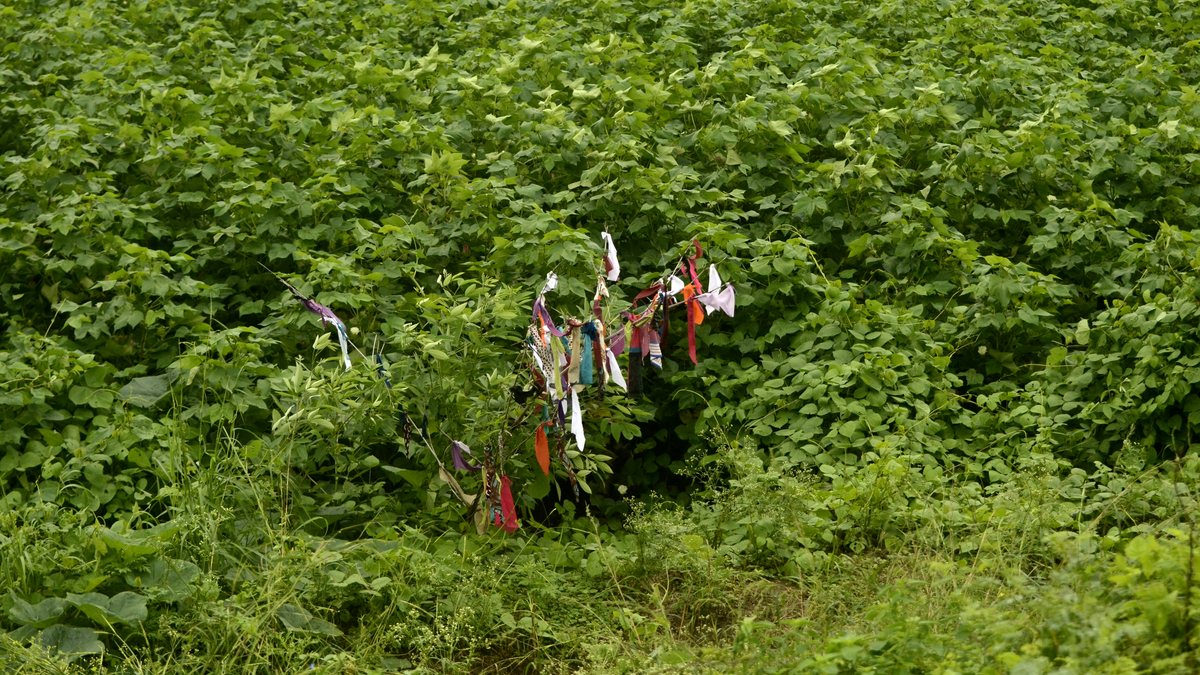
The Union Cabinet approved Rs 5,659.22 crore for the Mission for Cotton Productivity covering 2026-27 to 2030-31. The mission aims to address bottlenecks, declining growth, and quality concerns in India's cotton sector. It is aligned with the government's 5F vision: Farm to Fibre to Factory to Fashion to Foreign.
The target is ambitious. The mission envisages production of 498 lakh bales, each of 170 kg lint, by raising lint productivity from 440 kg per hectare to 755 kg per hectare by 2031. The government expects about 32 lakh farmers to benefit. It also points to high-yielding varieties, pest and disease resistance, technology adoption, better quality, traceability, and promotion of Kasturi Cotton Bharat.
Cotton matters because it connects rural incomes with textile manufacturing, garment exports, employment, and fashion retail. A weak cotton crop raises input costs for mills. Poor fibre quality reduces competitiveness. Contamination affects spinning efficiency. Low productivity keeps farmer income under pressure even when total area remains large.
The 5F framing is useful because it forces policymakers to see cotton as a supply chain rather than a field-only issue. Farmers need quality seeds, irrigation support, pest management, extension services, credit, and price confidence. Ginners need cleaner arrivals. Mills need consistent fibre. Exporters need traceability and quality certification. Fashion brands need reliable sourcing stories. Failure at one stage reduces value at the next.
Technology adoption will be central. The mission mentions scaling crop production technologies through state governments, Krishi Vigyan Kendras, and State Agricultural Universities. That extension network will decide whether the mission reaches farmers beyond demonstration plots. Productivity gains usually require timely sowing advice, weather information, pest alerts, soil management, seed quality, and localised agronomy.
Quality is equally important. The release points to reducing trash content below 2 percent and promoting traceability. Indian cotton has often faced discounting in global markets because of contamination and inconsistent quality. If traceability and cleaner handling improve, higher value can flow through the chain.
The mission also mentions natural fibres such as flax, ramie, sisal, milkweed, bamboo, and banana. That suggests a wider fibre diversification agenda. For India, this could support rural enterprise and sustainable textile innovation, but only if markets, processing technologies, and buyer demand are built together.
The risk is implementation fragmentation. Agriculture is state-sensitive, climate-sensitive, and market-sensitive. A central mission can set targets, but local delivery will decide yield, quality, and farmer trust. If the mission succeeds, it can strengthen both farm income and India's textile competitiveness. If it remains a scheme on paper, the 5F chain will keep losing value at the first step.
Sources Checked
These links were used for fact checking and context. The article above is original analysis and summary.