The Ministry of Ports, Shipping and Waterways has circulated the Draft National Water Metro Policy, 2026 for inter-ministerial consultation. The May 18 PIB release says the Centre is planning water metro services in 18 cities, with Guwahati identified for Phase I. Srinagar, Patna, Varanasi, Ayodhya, and Prayagraj are also part of Phase I, while Tezpur and Dibrugarh have been proposed for Phase II.
The idea is attractive because many Indian cities grew around rivers, lakes, backwaters, and canals, yet their modern transport systems often ignore water. Roads became crowded. Land for new corridors became expensive. Metro rail is powerful but capital intensive. A water metro promises a lower-land, lower-civil-infrastructure alternative where navigable waterways already exist.
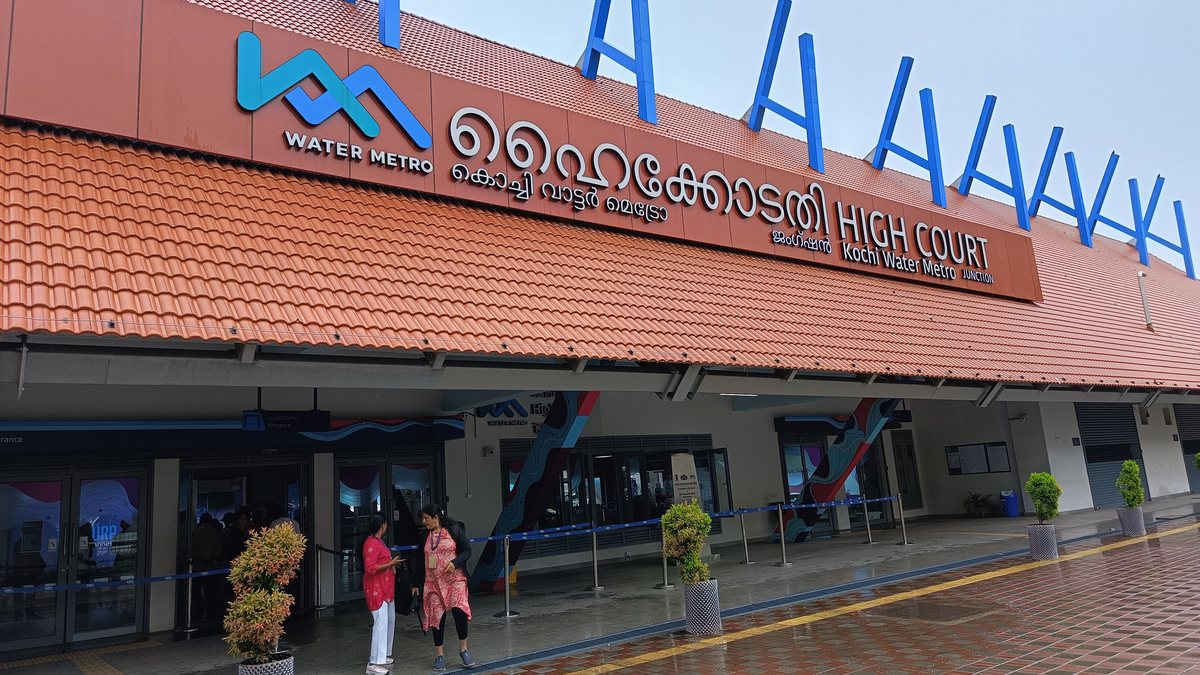
The release builds on the Kochi Water Metro experience and argues that water-based urban mobility can reduce congestion while offering cleaner, more comfortable commuting. The policy language also points to electric and hybrid ferries, lower land requirements, faster construction timelines, and reduced operational costs. Those are meaningful advantages if the service is planned carefully.
The biggest test is integration. A ferry stop is useful only if commuters can reach it easily and continue their journey after disembarking. Water metro stations need bus links, metro or rail interchange where possible, safe walkways, cycle parking, digital ticketing, last-mile options, and reliable schedules. Without that, water transport becomes a weekend ride rather than a weekday network.
City selection matters too. Guwahati, Srinagar, Patna, Varanasi, Ayodhya, and Prayagraj all have different river conditions, tourism patterns, flood risks, navigation constraints, and seasonal flows. A national policy can set standards, but each city will need a local operating model. What works on one water body may not work on another.
Safety and environmental safeguards will decide public trust. Ferries must meet standards for stability, emergency response, crowd control, accessibility, lighting, surveillance, and weather-related suspension. Water quality, bank protection, jetty construction, dredging, and habitat sensitivity should be managed transparently. A public transport project should not damage the water ecosystem it depends on.
There is also a tourism upside, but it should not dominate the service design. Cities like Varanasi, Srinagar, and Guwahati can attract visitors through scenic water routes. However, the strongest public case is daily mobility for residents. A system that serves schoolchildren, office workers, vendors, pilgrims, and local families will be more durable than one designed mainly for photo opportunities.
The policy consultation phase is important because state governments and urban bodies will carry much of the implementation burden. They need clarity on funding, fare policy, asset ownership, operator contracts, safety regulation, environmental approvals, and integration with existing transport agencies.
If done well, the National Water Metro Policy can reconnect Indian cities with their waterways in a modern way. If done casually, it risks producing isolated ferry projects with weak ridership. The difference will be whether policymakers treat water as a serious mobility corridor.
Sources Checked
These links were used for fact checking and context. The article above is original analysis and summary.