The Cabinet Committee on Economic Affairs approved three railway multitracking projects in May 2026 with an estimated cost of Rs 23,437 crore. The projects cover 19 districts across Madhya Pradesh, Rajasthan, Uttar Pradesh, Karnataka, Andhra Pradesh, and Telangana, and will increase the existing Indian Railways network by about 901 km. The projects are Nagda-Mathura third and fourth line, Guntakal-Wadi third and fourth line, and Burhwal-Sitapur third and fourth line.
Multitracking is a capacity investment. It does not have the glamour of a new train launch, but it changes how reliably a rail corridor can function. When a busy route has too few tracks, passenger trains, freight trains, maintenance blocks, and unexpected delays compete for limited slots. Extra lines allow traffic to move with fewer conflicts.
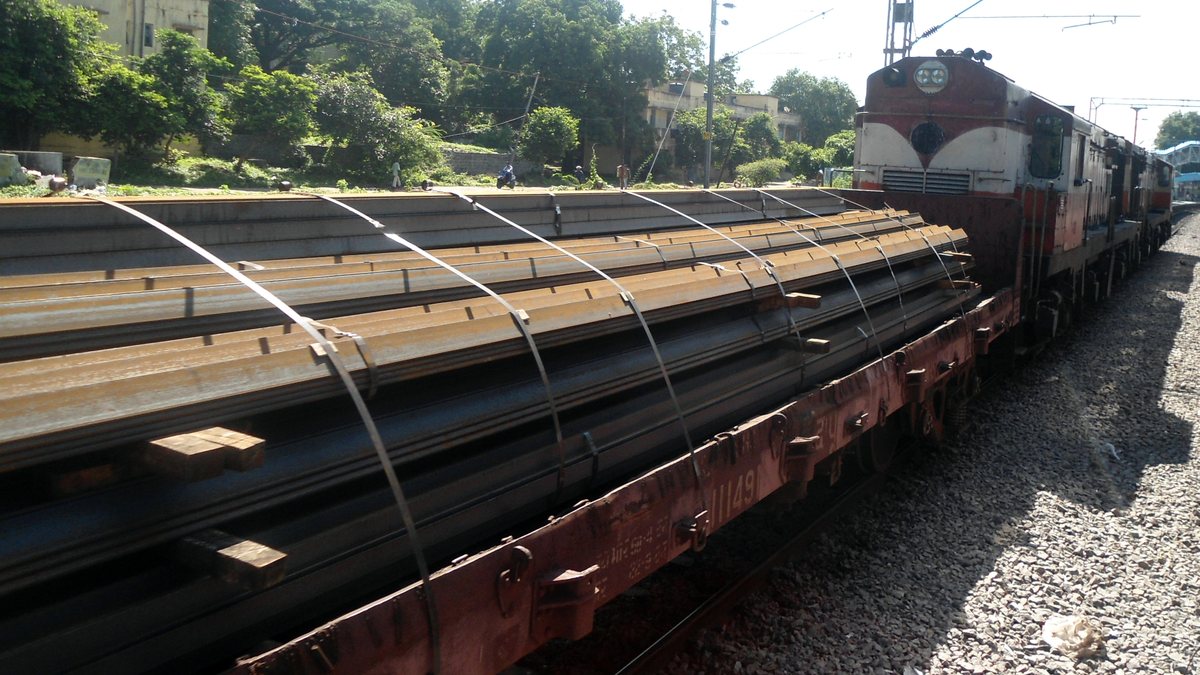
The freight impact can be substantial. India wants rail to carry a larger share of bulk goods, industrial inputs, foodgrain, coal, cement, steel, containers, and agricultural commodities. But shippers choose rail only when timings, availability, and handling are predictable. Congested corridors push freight toward roads even when rail is cheaper or cleaner over long distances.
The Nagda-Mathura corridor matters because it sits within the wider north-west and central movement of goods and passengers. The Guntakal-Wadi route links important southern and Deccan freight movements. Burhwal-Sitapur strengthens connectivity in Uttar Pradesh. Together, the projects are not a single story of one city getting a line. They are about improving network fluidity across regions.
The government release says the projects will improve operational efficiency and service reliability. Those words sound administrative, but they affect daily life. A passenger train that does not wait outside a junction for a path, a freight rake that reaches a factory on schedule, and a maintenance team that gets a safer work block all depend on available line capacity.
There is also an environmental dimension. Rail freight is generally more energy-efficient than long-haul road freight. If better capacity helps shift more cargo to rail, it can reduce road congestion, fuel use, and emissions. But that shift will happen only if last-mile logistics, terminals, warehousing, and customer service improve alongside track capacity.
The expected completion timeline extends up to 2030-31. That means land, engineering, signalling, bridges, station remodelling, safety approvals, and construction sequencing will define the outcome. Delays can reduce the economic return of infrastructure projects, especially when costs escalate.
India's logistics competitiveness depends on these unglamorous upgrades. More tracks mean more room for growth. The real victory will be visible when freight users and passengers experience the network as boringly reliable.
Sources Checked
These links were used for fact checking and context. The article above is original analysis and summary.