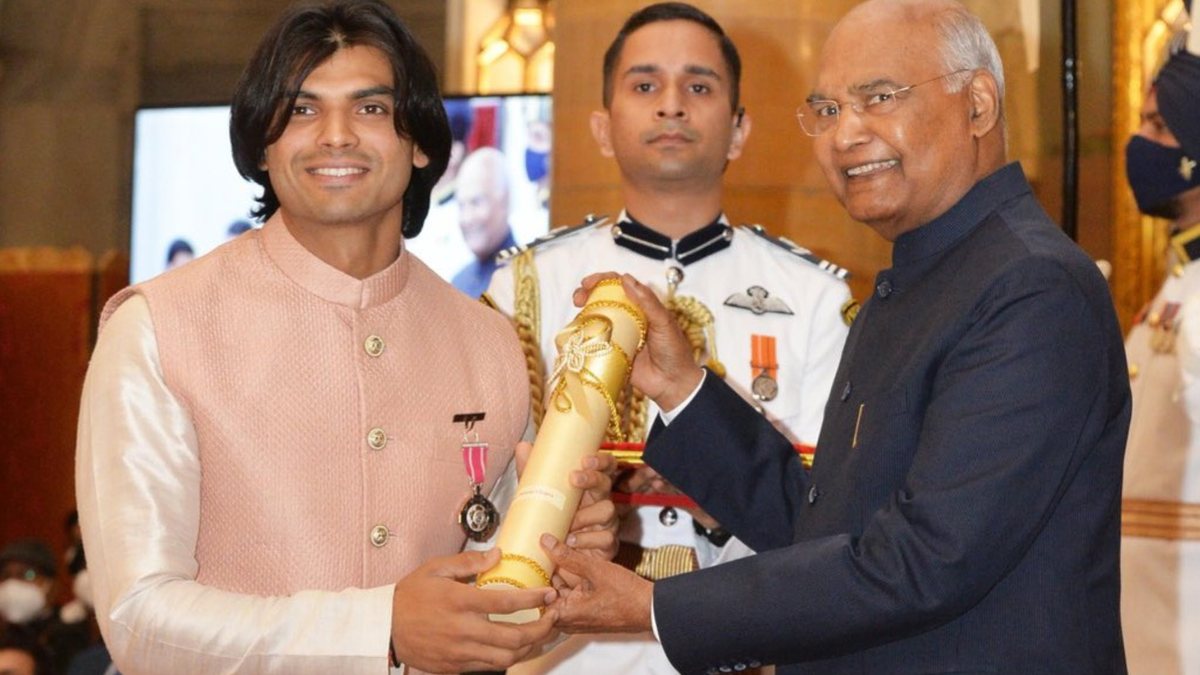
The President of India, Smt Droupadi Murmu, presented the Padma Awards 2026 at the first Civil Investiture Ceremony held at Rashtrapati Bhavan on May 25, 2026. The President's Secretariat noted that the Vice President, Prime Minister, and Union Home Minister were among the dignitaries present. The ceremony was formal, but the larger meaning of the moment is public and democratic: the country pauses to recognise work that may otherwise stay outside daily headlines.
The Padma awards matter because they create a bridge between national memory and individual contribution. India is too large for every valuable life to become widely known. Artists, doctors, social workers, teachers, scientists, sportspersons, administrators, entrepreneurs, and community leaders often spend decades building institutions or preserving traditions before national attention reaches them. An investiture ceremony brings those stories into the centre of the republic.
There is also a cultural function. Public honours tell citizens what kinds of service are worth admiring. If the list includes grassroots work, traditional knowledge, scientific achievement, cultural preservation, and quiet institution-building, it expands the national idea of success. Recognition does not have to belong only to high visibility. It can also belong to sustained usefulness.
That is why the setting matters. Rashtrapati Bhavan is not simply a venue; it is a constitutional symbol. When recipients walk through that space, their work is placed inside the story of the Indian state. A small community initiative, a lifetime in the arts, or a scientific contribution becomes part of a national archive.
For readers, the important thing is to look beyond the ceremonial photograph. Each awardee's journey usually points to a field that needs deeper public attention. A folk artist's award may point to language preservation. A public health worker's award may point to frontline care. A scientist's award may point to patient research that never goes viral but changes capability over time.
The Padma Awards also invite a healthy question: how does India discover excellence? A country with thousands of districts, hundreds of languages, and deep social diversity needs nomination and evaluation systems that can find people beyond elite networks. The legitimacy of honours grows when citizens see that recognition can travel to small towns, difficult geographies, and under-documented fields.
There will always be debate around any award system. That is normal in a democracy. But the existence of debate does not reduce the value of public recognition. It should instead make the system more transparent, inclusive, and careful about the distinction between fame and contribution.
The May 25 ceremony is therefore more than an annual event. It is a reminder that nations are built not only through budgets, elections, and policies, but also through the stories they choose to preserve. The most useful way to follow the Padma Awards is to treat each name as an entry point into a larger India.
Sources Checked
These links were used for fact checking and context. The article above is original analysis and summary.