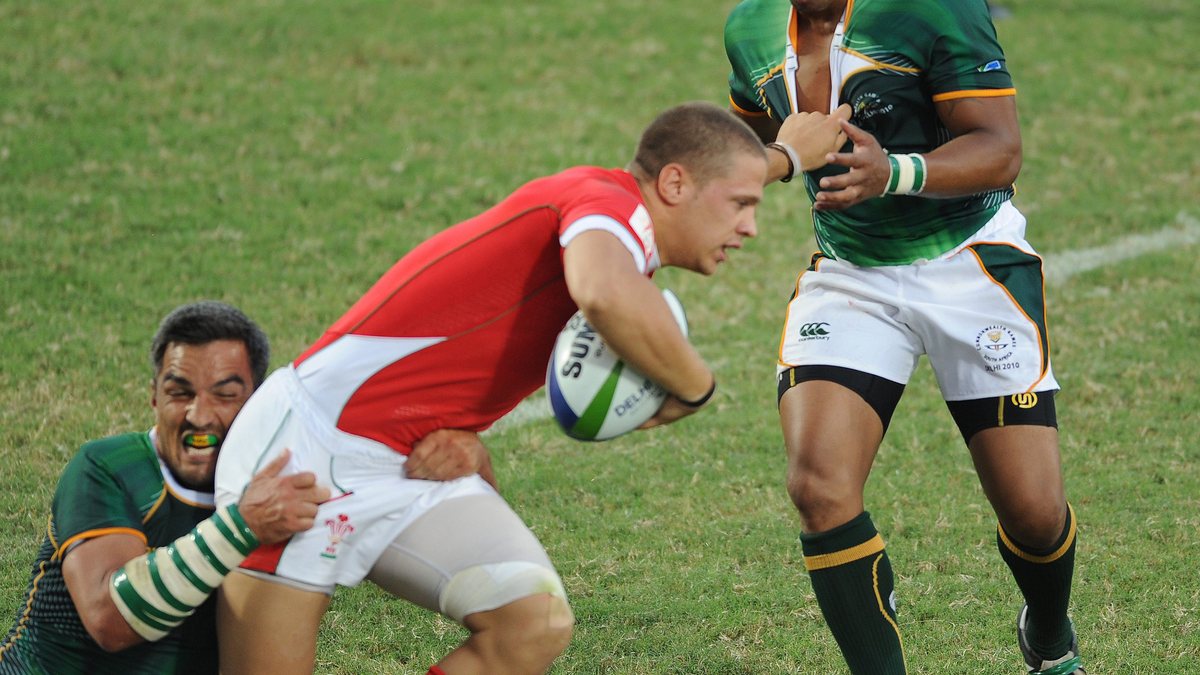
Rugby India announced that the second edition of the Rugby Premier League will be held at Gachibowli Stadium in Hyderabad from June 16 to 28, 2026. The league will use the Rugby 7s format and feature six franchises from the first edition. The announcement positions Hyderabad as a host city for a fast, compact, spectator-friendly version of rugby.
The event matters because Indian sport is trying to widen its base beyond cricket while still learning from cricket's league model. Rugby 7s is well suited to a new audience. Matches are shorter, the pace is high, and the format can be packaged for stadium spectators, television, and digital platforms. For a developing rugby market, that matters.
Hyderabad is also a logical host. Gachibowli has hosted major sporting events before, and the city has the airport, hotels, broadcast infrastructure, and corporate base needed for league operations. The announcement also connects with a broader sports-infrastructure push in Telangana, including the idea of developing sporting ecosystems rather than one-off events.
For athletes, the biggest benefit is exposure to higher-performance environments. A league that brings together Indian and international players can improve training standards, match intensity, coaching, and professional expectations. Young athletes need visible pathways. Without them, rugby remains a campus or services sport rather than a credible professional option.
For fans, the league has to solve a different problem: familiarity. Many Indian viewers understand cricket strategy instinctively because they grew up with it. Rugby must teach without lecturing. Broadcast graphics, commentary, social clips, school outreach, and simple explainers can help new audiences understand rules, scoring, and tactics quickly.
The commercial challenge is sponsorship durability. New leagues often launch with enthusiasm but struggle to maintain attention after novelty fades. RPL 2026 will need strong scheduling, franchise storytelling, affordable tickets, local partnerships, and a clean digital presence. The league should make it easy for a casual viewer in Hyderabad to become a repeat fan.
Host-city impact is another reason to watch. Sports events can support tourism, hospitality, local transport, security services, and media visibility. But the larger payoff comes when events leave behind participation growth: more school programmes, more coaching clinics, more community clubs, and more young athletes trying the sport.
Rugby Premier League 2026 is not just a tournament on the calendar. It is a test of whether India can build a multi-sport market where new formats get room to breathe. Hyderabad's job is to host it well. Rugby's job is to make people want to come back.
Sources Checked
These links were used for fact checking and context. The article above is original analysis and summary.